Walls With Stories: Eight Historic UK Hotels That Earn Their Keep

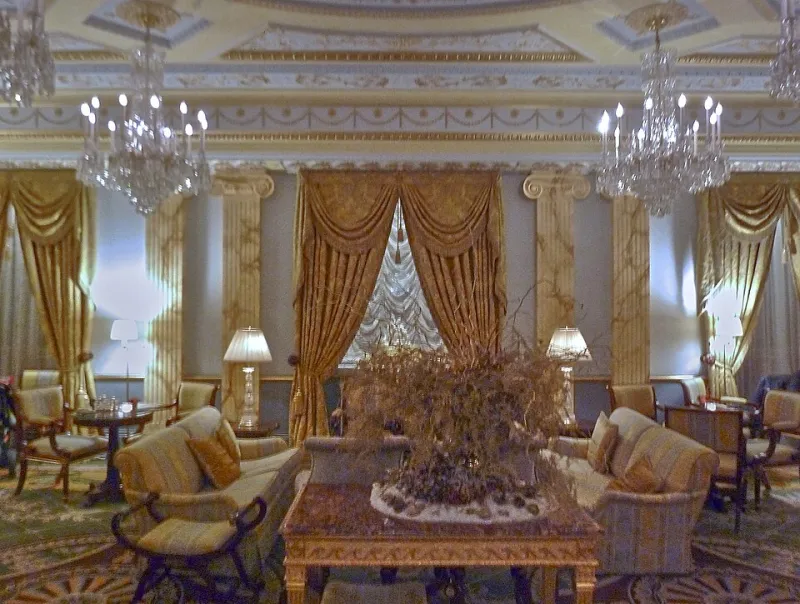
Photo: David Dixon , CC BY-SA 2.0, via Wikimedia Commons
There is a difference between a hotel with old beams and a hotel with a story. One sells atmosphere; the other gives you something to chew on over breakfast. The best historic stays in the UK are not museums with beds — they are buildings that have been lived in, argued in, celebrated in and, in some cases, smuggled through. The building is the break.
Old isn’t the same as authentic
Heritage is a slippery word. A modern extension can be lovely; a themed bar with fake Tudor panelling can be less so. The question is not whether a hotel is old, but whether the old part is doing any work.
Before booking, ask which rooms are in the original building and which are in an annexe. Ask what is listed, what has been restored and what is a replica. A good hotel will tell you plainly. Ask whether the stories it tells are documented or simply local legend — both can be enjoyable, but they are not the same thing. And ask the practical questions too: Is the bar open to non-residents? Is dinner included? Are the historic rooms reached by stairs? Does the price reflect a castle or a coaching inn with a castle-sized marketing budget?
A little scepticism improves the experience. You want the building to be the reason to travel, not a backdrop for a themed weekend.
Eight addresses where the walls do the talking
1. The Mermaid Inn, Rye. If you want smugglers, sloping floors and a sense of the past pressing in, this East Sussex inn is hard to beat. The cellars and hidden passages are the stuff of local legend, and the building wears its age with confidence. Stay for the atmosphere, eat well, and walk the cobbles before the day trippers arrive.
2. The George Inn, Southwark. A galleried coaching inn in London is a rare thing, and this one has literary form: Dickens knew it. It is a pub with rooms rather than a polished hotel, which is exactly the point. Have a pint downstairs, then sleep above the history.
3. The Old Bell, Malmesbury. It claims to be one of England’s oldest hotels, and the abbey next door does the heavy lifting on atmosphere. It is the kind of place where the building itself is the guide: creaky stairs, old walls and a town small enough to explore on foot.
4. Thornbury Castle, Gloucestershire. A Tudor castle with a proper sense of occasion. Henry VIII and Anne Boleyn are part of the local story, and the rooms feel suitably dramatic. It is heritage with a capital H, but the best castle stays know that comfort matters as much as crenellations.
5. The Lygon Arms, Broadway. A Cotswolds coaching inn with Civil War connections and a long history of putting people up. It balances old-world charm with a spa and a kitchen that understands why people come. The village outside is lovely; the fire inside is lovelier.
6. The Saracen’s Head, Southwell. A historic inn in a minster town, with the kind of low ceilings and worn steps that make you feel you have arrived somewhere older than the internet. Southwell itself is a fine place to potter, and the inn gives you a reason to stay the night rather than pass through.
7. The Angel at Hetton, Yorkshire. A food-led pub with rooms in the Dales, where the building’s age is matched by a serious kitchen. This is the modern version of the coaching inn: you come for dinner, but you stay because the walls and the landscape make a weekend of it.
8. Lumley Castle, County Durham. A proper castle with a proper legend — the Lily of Lumley — and enough grandeur to make a short break feel like an event. It is not subtle, but castle stays rarely are. Book a room in the old part, ask about the ghost stories, and enjoy the theatre of it.
What to ask before you book
Ask where the original fabric ends and the modern extension begins. Ask if the room you are booking has the features you actually want — a fireplace, a four-poster, a view, a bath — rather than assuming. Ask whether dinner is in the historic dining room or a newer space. Ask about access: old buildings mean stairs, low doorways and uneven floors.
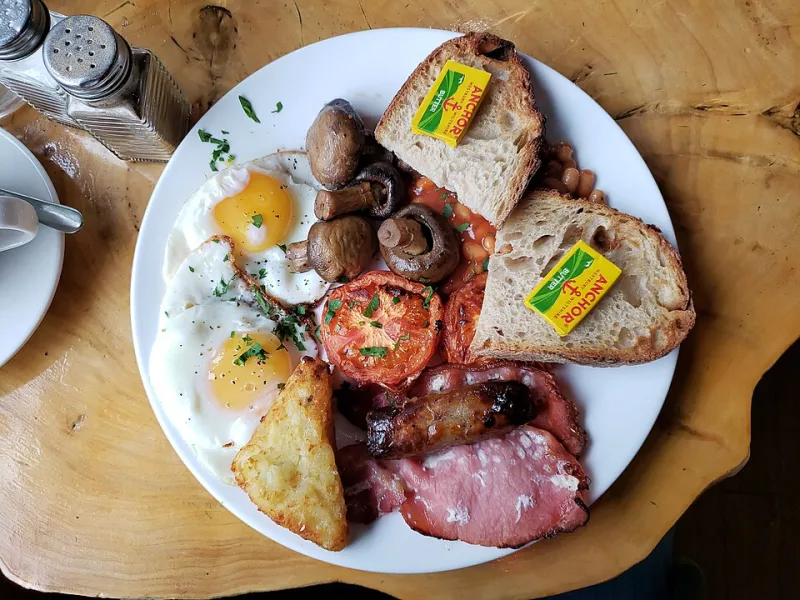
And ask about the food. A historic hotel that treats its kitchen as an afterthought is a disappointment. The best of these places understand that a long lunch or a proper breakfast is part of the heritage experience. You are not just sleeping in a old building; you are eating in it, warming yourself in it and, for a night or two, adding your own small story to the walls.