When the Lights Go Out: Hotel Bases for Britain’s Starriest Winter Weekends
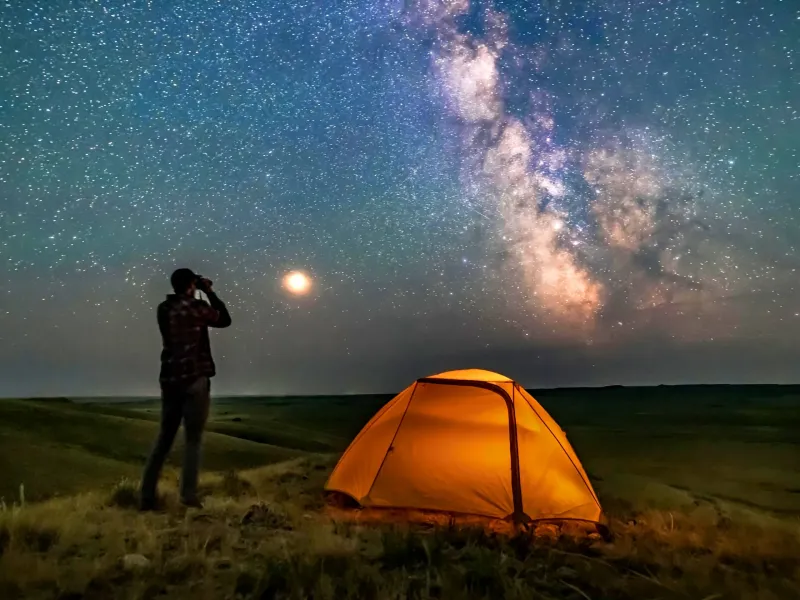
Photo: stargazing hotel Northumberland dark sky telescope winter, via blog.daytripto.com
There is a particular kind of quiet that settles over a hotel garden at 10pm in February. The dinner plates have gone, the bar is murmuring, and somewhere above the roof is a sky so packed with stars that it looks almost indecent. Britain does not have to be a long-haul destination to deliver that moment. You just need the right hotel, a bit of patience with the weather and a willingness to stand outside in several layers.
Why winter is the smartest stargazing season
Summer evenings are lovely, but they are also stubbornly bright. In winter, darkness arrives early, the nights are long and the air can turn crisply transparent after a front has passed through. That is when Orion, the Pleiades and the Milky Way become properly legible to the naked eye — not just a faint smudge you have to squint at.
The trade-off is cloud. The UK’s weather does not read the astronomy calendar, so a stargazing weekend is always a bit of a gamble. The trick is to stack the odds: book two nights rather than one, aim for a new moon, and choose a hotel that has something to do if the sky stays stubbornly grey.
Northumberland: observatory on the doorstep
Northumberland is the obvious place to start, and not just because it has one of the darkest skies in England. Battlesteads Hotel in Wark, near Hexham, has built a proper niche around astronomy, with an observatory on site and stargazing breaks that include guided sessions when conditions allow. It is the sort of place where you can eat well, listen to someone explain how to find Andromeda, and then wander back to your room without negotiating a moorland road in the dark.
Kielder Observatory is the other name on many people’s lips, and the surrounding Northumberland International Dark Sky Park is a serious draw. Staying nearby means you can treat the observatory as an evening out rather than a military operation. Check what is running during your dates, book ahead and ask the hotel whether they lend binoculars or red-light torches.
Exmoor and the South West
Exmoor is another strong bet, especially for anyone coming from the south. The national park is an International Dark Sky Reserve, and the villages around Simonsbath, Withypool and Porlock make comfortable bases without putting you right under a streetlamp. The Exmoor Forest Inn at Simonsbath is a good example of the breed: a proper moorland inn, walkable-ish to dark skies and usefully close to a fire when you come back in with cold ears.
Further west, Cornwall and the Isles of Scilly have their own dark-sky pockets, but the logistics get more fiddly. For a straightforward weekend, Exmoor is hard to beat. Bring binoculars even if the hotel has a telescope — they are easier to share and less fussy about tripods.
The Scottish Highlands and the Cairngorms
The Highlands are where the UK sky feels genuinely vast. Around Torridon, Glencoe and the Cairngorms, the combination of low light pollution and big landscapes is hard to argue with. The Torridon, on the shores of Loch Torridon, is a useful base for a winter break that mixes comfort with genuinely dark surroundings; further east, the Cairngorms offer a different flavour, with more forest and more chance of a proper snowy walk during the day.
Scotland also gives you a shot at the aurora, though it is never a guarantee. Treat any northern lights sighting as a bonus rather than the plan. The main event is the stars, and the main requirement is clear air.
Yorkshire, Wales and the South Downs
You do not have to go all the way to the Highlands. The Yorkshire Dales, the Bannau Brycheiniog and the South Downs all have dark-sky-friendly corners within reasonable reach of a train and a taxi. These are good options if you want a shorter journey or a mixed weekend: a market town potter, a decent pub lunch, then a night walk with a torch set to red.
The key is to check the hotel’s actual surroundings rather than the postcode. A village can look rural on a map and still have a bright car park or a security light that ruins the view from the terrace. Ask directly: where do guests go to stargaze, and is there somewhere sheltered to stand?
Timing the trip around a clear night
Start with the moon. A full moon is beautiful but it washes out faint stars, so aim for the week around a new moon if you can. Then look at the forecast — not just the general weather symbol, but the cloud cover for the specific area. Coastal and moorland microclimates vary, and a hotel ten miles away can have a very different sky.
Book flexible rates where possible and keep an eye on the forecast in the days before you travel. A two-night stay gives you a second chance if the first evening is a washout. Midweek breaks are often quieter and cheaper, and stargazing does not care what day it is.
What to pack and how to behave after dark
Bring more layers than you think you need, a thermos and a small red-light torch. White torches and phone screens wreck your night vision, so switch to red mode if you have one. A tripod is useful if you are serious about photography, but a decent pair of binoculars will keep most people happy.
Finally, respect the dark. Keep noise down, stick to footpaths, and do not shine car headlights across a viewing area. The whole point of these places is that they are quiet. A good stargazing weekend is not about ticking off constellations; it is about standing still long enough to notice them.