The Art of the Quiet Word: Getting the Hotel Room You Want Without Being That Guest
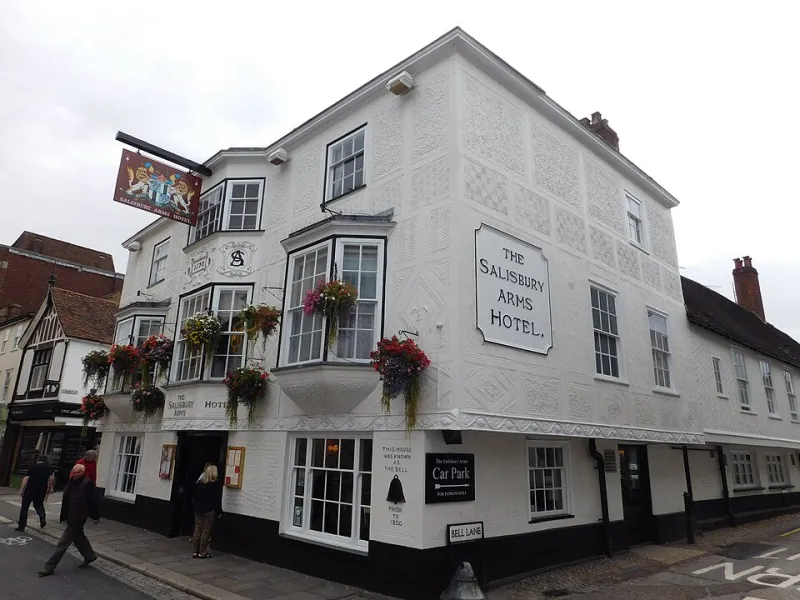
Photo: Paul the Archivist, CC BY-SA 4.0, via Wikimedia Commons
There is a particular kind of hotel guest who arrives at reception with a printed list of demands and a face like a disappointed headmaster. There is another kind who says, almost apologetically, “I don’t suppose there’s any chance of a quieter room?” The second guest usually gets the better outcome. Not because hotels reward timidity, but because a polite, specific request is easier to act on than a vague sense of grievance.
Getting the room you actually want is rarely about secret codes or loyalty tricks. It is about timing, specificity and a bit of emotional intelligence. In 2026, with UK hotels running lean teams and high occupancy in the places everyone wants to be, the quiet word still works — provided you use it in the right way.
Start with the booking, not the front desk
The most useful thing you can do is book direct with the hotel. That is not just a line hotels put on their websites to avoid commission. A direct booking sits in the hotel’s own system, where reception and reservations can add notes, see your history and make a judgement call. A request buried in a third-party booking is more likely to arrive as a cryptic line of text, or not at all.
When you book, use the special requests box for the one or two things that genuinely matter. “Quiet room away from the lift, if possible” is useful. “Best room in the house” is not. If you have mobility needs or allergies, say so clearly — those are not favours, they are requirements, and good hotels will treat them seriously.
If you have booked through a comparison site, ring the hotel directly a few days before arrival. Be pleasant about it. “I know I booked through an agent, but I just wanted to ask if it’s possible to note a quiet room request” is far more likely to get a helpful response than a demand to “upgrade me immediately”.
The requests worth making
Most hotel requests fall into a few simple categories. A quiet room is the big one: away from the lift, the bar, the function room and the street. A high floor can help, though not if the lift is broken or you have heavy bags. A corner room may be larger or brighter, but it may also be further from everything. Be clear about what you actually want, because “a nice room” means different things to different people.
Early check-in is the request most often asked for and least often guaranteed. Housekeeping schedules depend on who stayed the night before and when they left. If you need to drop bags, most hotels will happily store them before check-in. If you need the room itself, ask — but frame it as a hope rather than a right. Late checkout is similar: worth asking, especially midweek, but not worth sulking about if the answer is no.
Extra pillows, a fan, a firmer mattress topper or a quieter kettle are easy wins. Views are trickier. A sea view, a cathedral view or a room overlooking the square may simply not exist in your room category. Ask if there is “any chance of a room with a bit of an outlook” rather than demanding the best view in the building.
The elusive upgrade is best treated as a bonus, not a plan. Ask at check-in, once, with a smile: “If there happen to be any complimentary upgrades available, I’d be delighted — but no worries at all if not.” That gives the receptionist room to say yes without feeling cornered. It also signals that you understand the difference between a request and an instruction.
Timing is most of the battle
Email about 48 hours before arrival. That is close enough for the hotel to see your booking in context, but early enough for the duty manager to move things around. Keep it short. A long email explaining your entire travel history is less effective than three clear lines.
A sample email:
Hello, I’m looking forward to staying with you on Saturday. My booking reference is [reference]. If possible, I’d be grateful for a quiet room away from the lift or bar, and an early check-in from around 1pm would be a bonus — happy to wait if that’s not doable. Many thanks, [Name].
Phone the morning of arrival if you are particularly keen. Mornings are usually calmer than the afternoon rush, and reception can check the rooming list before the day gets busy. A sample call:
Hi, I’ve got a booking tonight under [name]. I wonder if you can help with a couple of small requests — a quiet room and, if possible, an early check-in. I completely understand if not.
At check-in, be concise and friendly:
Thanks — before you hand over the key, is there a quieter room available? I’m happy to wait while you check.
And for the upgrade:
If you have any complimentary upgrades going spare, I’d bite your hand off — but honestly, no pressure at all.
What hoteliers actually notice
Ask anyone who has worked behind a UK reception desk and they will tell you the same thing: specific, reasonable requests are a pleasure. Vague demands are not. A guest who says “I’m a light sleeper, so anything away from traffic would be brilliant” is easier to help than one who says “I want a good room.”
Staff also notice flexibility. The guest who says “no problem if that’s not possible” is the one reception will try harder for when a room frees up. Genuine special occasions — a birthday, an anniversary, a first trip away after a difficult year — are worth mentioning, but only if true. Hotels hear “it’s our anniversary” often enough to develop a sixth sense for it.
It helps to understand the constraints. Upgrades depend on occupancy, length of stay and the room types left unsold. Early check-in depends on when the previous guest left and how many rooms housekeeping has to turn around. A hotel may want to say yes and simply not be able to. That is not rudeness; it is maths.
The polite ask, in practice
Arrive in the early afternoon if you can. The rooms are cleaned, the rooming list is clearer and reception has more room to manoeuvre. If you are running late, ring ahead so your request does not get lost in the shuffle. Confirm your quiet-room request at check-in rather than assuming the email did the job. And thank the person who helped — not with a grand gesture, just with ordinary good manners.
If the first answer is no, ask once more, gently: “Is there anything else you could suggest?” Sometimes the solution is a different floor, a room further back or a move the next morning. Sometimes it is simply a pair of earplugs and a sympathetic smile. Either way, you have lost nothing by asking well.
A hotel room is not a lottery ticket. It is a small piece of someone else’s building, run by people who are usually trying to help. The art of the quiet word is not manipulation. It is clarity, timing and a refusal to make the person behind the desk feel small. Do that, and you may find the room you wanted was there all along.